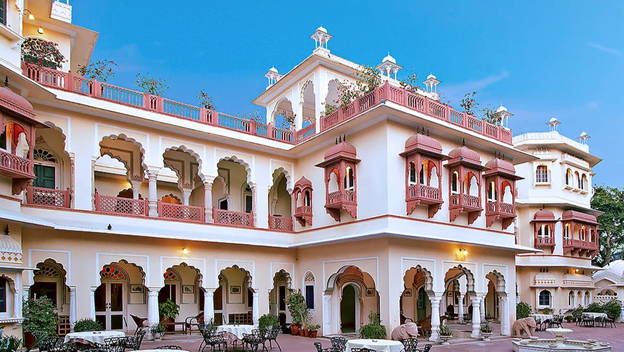
Sometimes the local architecture is so beautiful and so apt that I feel it would be foolish and an affront to try and design in any other way.
Laurie Baker, often regarded as the “Gandhi of Indian architecture.”
Traditional architecture, , an embodiment of generational wisdom, is a living testament to the ingenious responses of our ancestors to the local climate, topography, culture, and context. It champions the use of locally sourced natural materials and indigenous construction techniques, fostering sustainability, cost-efficiency, and an enduring aesthetic allure.
Many facets of traditional architecture can be seamlessly reimagined and integrated into contemporary home designs.
LOCAL & NATURAL MATERIALS
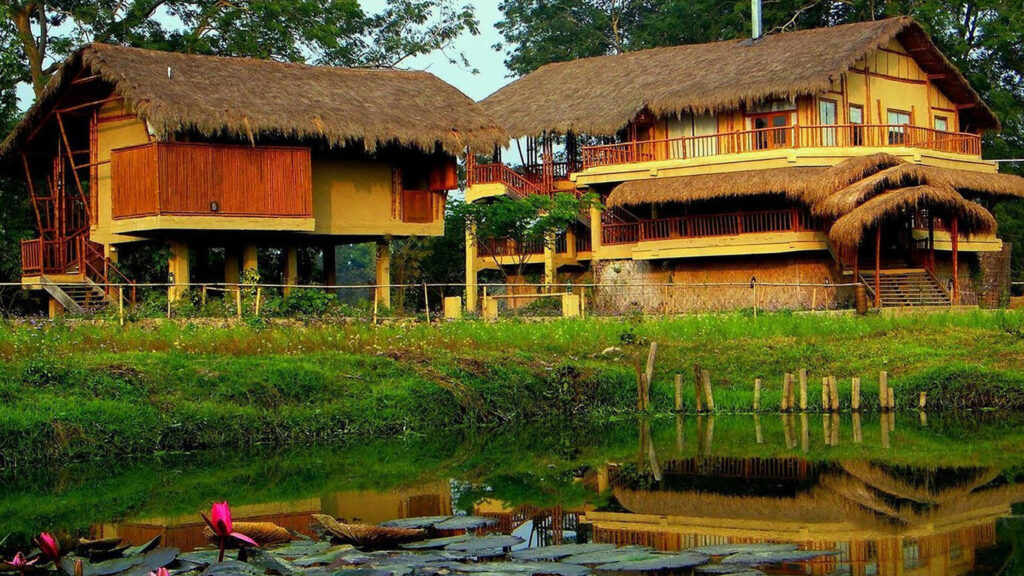
Traditional architecture champions the use of locally available natural materials, taking into account their accessibility, affordability, and climatic suitability. Furthermore, these materials boast minimal carbon footprints, thanks to negligible transportation costs. They also effortlessly blend with the natural surroundings.
Materials like stone, bricks, mud, wood, lime, and thatch have stood the test of time, chosen based on regional availability. Stone, celebrated for its strength, durability, and a rich array of colors and textures, finds its place in walls, roofs, and floors. Opting for locally sourced stone, such as slate in Himachal or sandstone in Rajasthan, is a prudent choice.
Mud and bricks, timeless building components, have remained eco-friendly stalwarts. Sun-dried bricks, in particular, have earned their eco-credentials. Burnt bricks, with added strength and impermeability, have been trusted companions since the Indus Valley civilization. Their enduring presence attests to their unwavering durability. While bricks continue to play a significant role in contemporary construction, some architects and organizations are rekindling the use of mud in modern architecture. Architect Didi Contractor, for instance, employs sun-dried mud bricks in adobe constructions, guided by the philosophy of harmonizing the earth with the edifice.
Lime, predating the reign of cement, played a pivotal role in construction. Lime mortar and plaster, besides being environmentally conscious, can significantly reduce cement consumption without compromising strength. Lime wash, an organic alternative to synthetic paints releasing harmful volatile organic compounds (VOCs), adds a health-conscious dimension to painting.
In the northeastern states of India, bamboo has long been embraced for crafting traditional homes. In flood-prone regions, houses were elevated on stilts, a testament to bamboo’s lightweight yet robust qualities. This rapid-growing grass, imbued with remarkable strength and flexibility, holds untapped potential.
Wood, traditionally reserved for doors, windows, and structural elements in certain regions, demands judicious use today to curb deforestation. The preference should lean towards reusing or procuring Forest Stewardship Council (FSC) certified wood, ensuring responsible harvesting practices.
VERANDAH
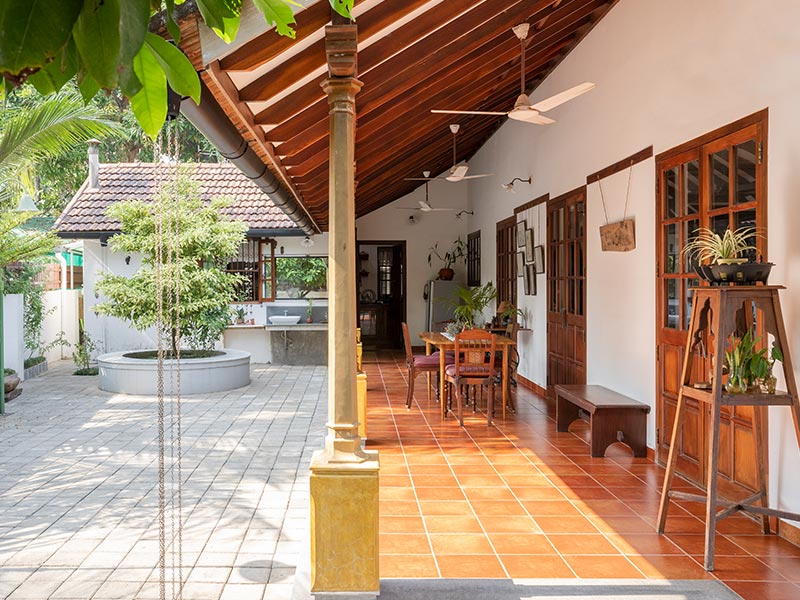
A verandah is a roofed, open-air hallway or porch attached to a house. Traditional residences typically featured a welcoming verandah at the entrance, serving as a place to greet guests, offer shade, and shield against scorching sun and rain. The verandah serves as an intermediary zone, connecting the indoor living spaces with the external environment, fostering a harmonious connection between the inhabitants and nature. In a traditional Kerala home, apart from the front verandah known as “poomukham,” there are also side verandahs, referred to as “chuttu verandahs.” These additional verandahs play a crucial role in safeguarding the house from intense summer heat and heavy monsoon rains. Moreover, verandahs adjacent to courtyards create a cool and shaded area for various family activities and social gatherings. The roofs of these verandahs are upheld by a series of exquisitely carved columns, crafted from either wood or stone.
AANGAN
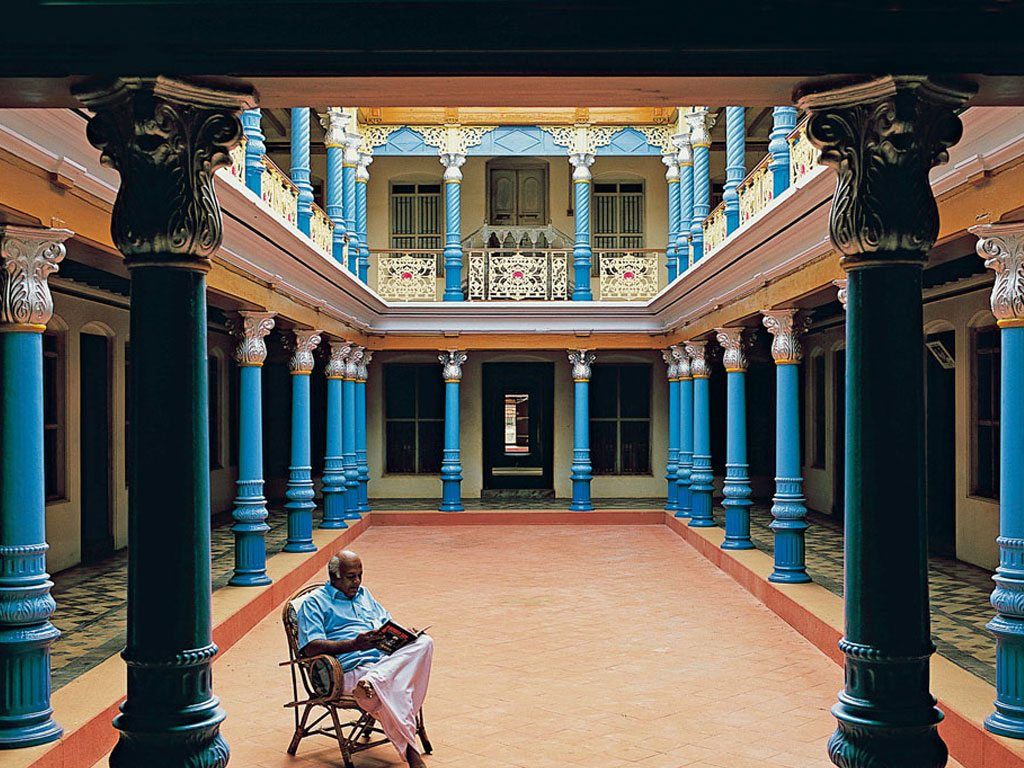
Aangan or the internal courtyard constituted an integral component of the traditional Indian home, born out of the necessity for natural light and ventilation within the home. However, their significance transcends mere utility, taking on a rich social character as the beating heart of the household. From morning chores to evening leisure, aangan served as the nexus of domestic life, fostering visual connections between various rooms and floors, thereby ensuring that family members remained interconnected throughout the day. Over time, it metamorphosed into a culturally significant space within the home, often functioning as an extension of public indoor areas.
In its role as a communal space, aangan seamlessly aligns with the communal values of Indian society, providing a climatically comfortable setting for gatherings. This versatile space was adaptable to accommodate a myriad of activities, making it an invaluable asset to the household.
JAALIS
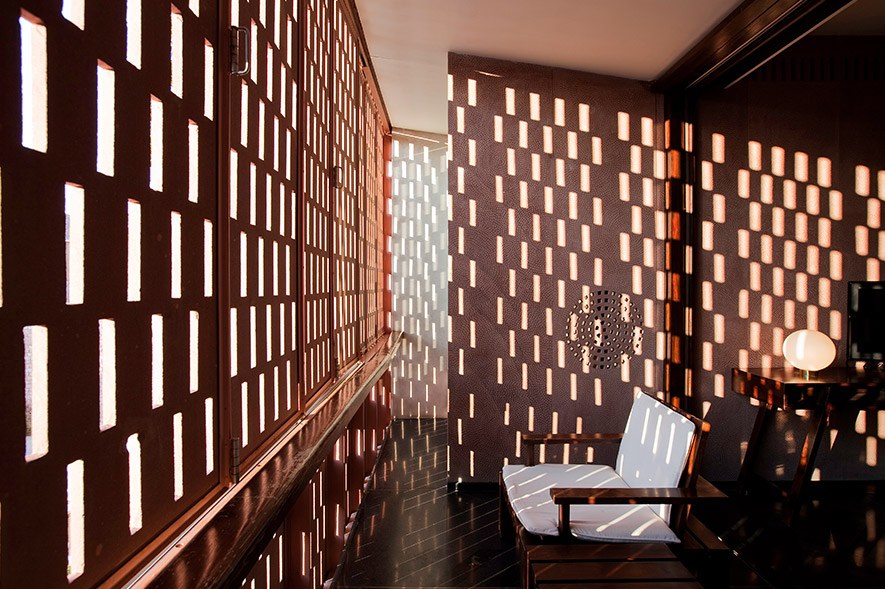
Jaalis, or lattice screens, have long been integral to traditional architecture. They effectively combat harsh glare while allowing filtered natural light to permeate, preserving an unobstructed view of the outside world. The intricate apertures in these screens significantly reduce heat and dust penetration during the day, shielding interiors from direct sunlight and contributing to a more comfortable indoor environment. This attribute proves particularly advantageous for residences in hot and dry, as well as hot and humid, climatic regions. Their intricate patterns, casting mesmerizing light and shadow play, enhance aesthetics. These versatile screens can be seamlessly integrated as walls, windows, or even as skylights on roofs. The Hawa Mahal in Jaipur stands as a testament to the artistry of sandstone lattice work. Mughal architecture, too, embraced these beautiful jaalies in marble and sandstone for palaces and pavilions. Modern interpretations of jaalis have found their place in contemporary architectural designs, breathing new life into an age-old tradition. Le Corbusier, for instance, employed brise-soleil or sun-breakers in his Chandigarh buildings, while Laurie Baker creatively experimented with various forms of brick jaalies across his projects. Beyond their architectural utility, jaalis have inspired various creative disciplines, notably influencing textile design.
CHHAJJAS
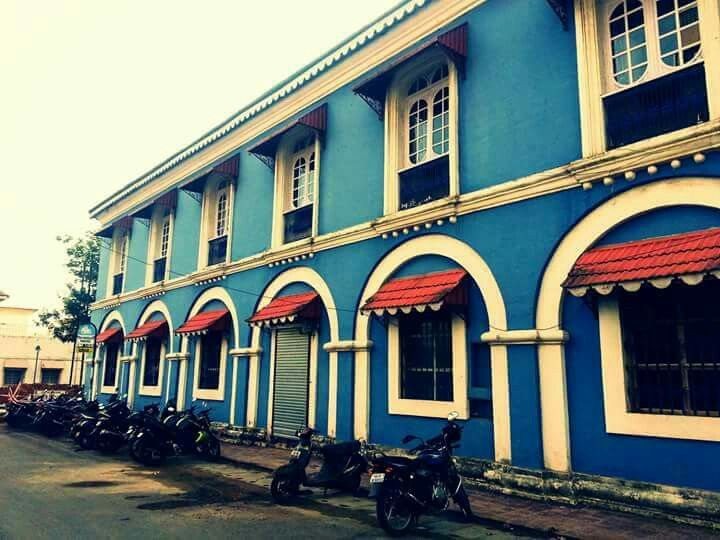
Chhajjas are architectural projections strategically placed over window and door openings to shield them from the sun and rain. These protective extensions can take various forms, such as sloping or horizontal designs, and in some instances, encompass the entire opening, reminiscent of the jharokhas found in Rajasthani architecture. The shade cast by these chhajjas plays a crucial role in mitigating heat infiltration into the interiors of the house, especially in tropical regions where heavy monsoon rains are common. Similarly, regions prone to heavy snowfall also employ sloping chhajjas to protect openings from snow accumulation.
In some cases, separate chhajjas may not be necessary, as the overhanging eaves of sloping roofs effectively provide protection to the openings below. Chhajjas, with their distinctive projections and the captivating shadows they create, significantly enhance the visual appeal of exteriors. The city of Jaisalmer, renowned for its exquisite architecture in yellow sandstone, prominently features jharokhas and jaalis as key architectural elements.
ARCHES
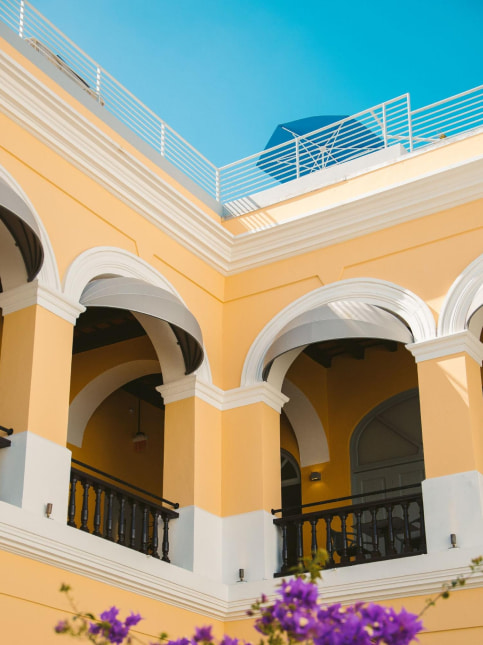
Arches, with their graceful curves, represent a stunning design element that regrettably finds limited use in contemporary homes. These architectural features introduce a delightful charm by deviating from the typical straight lines and right angles prevalent today. Beyond their aesthetic appeal, arches also boast structural stability intrinsic to their form. This unique quality allows arches to be constructed without the need for lintels commonly employed above door and window openings. This not only imparts a distinctive character but also contributes to eco-friendliness by reducing the volume of concrete required for lintel construction. Arches, when incorporated into spaces like corridors and verandahs, greatly enhance their visual allure.
SLOPING ROOFS
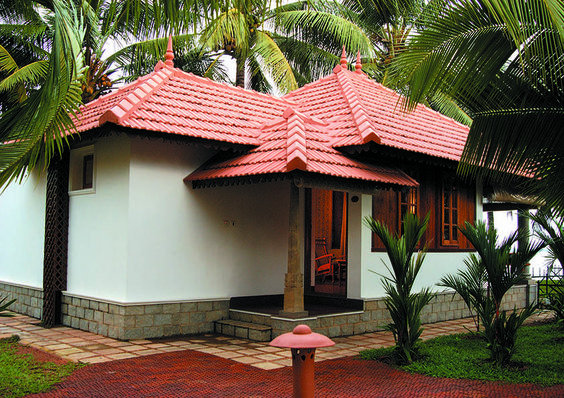
The utilization of sloping roofs has been a time-honoured practice in regions prone to significant rainfall and snowfall. However, in today’s urban and rural landscapes, these traditional sloping roofs are rapidly giving way to the prevalent use of flat concrete slabs. In the Southern states, sloping roofs were ingeniously designed to effectively channel heavy monsoon rains away from the structure. These roofs typically featured terracotta tiles, with the exquisite Mangalore tiles being especially renowned. In the Northern Indian mountainous regions, sloping roofs were skillfully crafted from stone tiles such as slate. The use of these natural materials, combined with the elegant sloping design, enhanced the overall aesthetic appeal of homes. These sloping roofs boasted intricate supporting structures, including trusses, rafters, and purlins, demonstrating the artistry involved in their construction. Additionally, some designs incorporated captivating skylights or dormer windows, introducing natural light into the interiors.
BUILT-IN FURNITURE
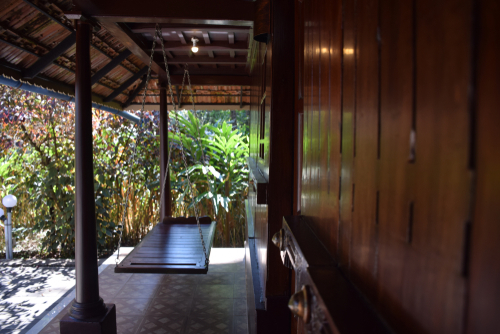
cozy nooks served as gathering spots for family members to entertain guests. Additionally, South Indian homes often boasted wooden swings on their verandahs, adding to the comfort and appeal of the outdoor space.
Within the interiors of most homes, one would discover cleverly designed niches, alcoves, and shelves meticulously integrated for storage and display purposes. Some of these alcoves were ingeniously used to house diyas or lanterns, ensuring they remained sheltered from the wind and providing gentle illumination during the night. The concept of built-in furniture not only showcased remarkable durability but also reduced the need for excessive woodwork. As we contemplate the design of modern homes, incorporating such intriguing and space-efficient furniture elements can be an interesting endeavour.